- Speak to your midwife about a referral to physiotherapy if you are experiencing any leaking from your bladder during pregnancy
- Learn how to do Pelvic floor Exercises in this Booklet
- Keep up your fluid intake to avoid irritating the bladder
- Look at advice regarding physiotherapy management of different types of incontinence here
Bladder and Bowel Problems During Pregnancy
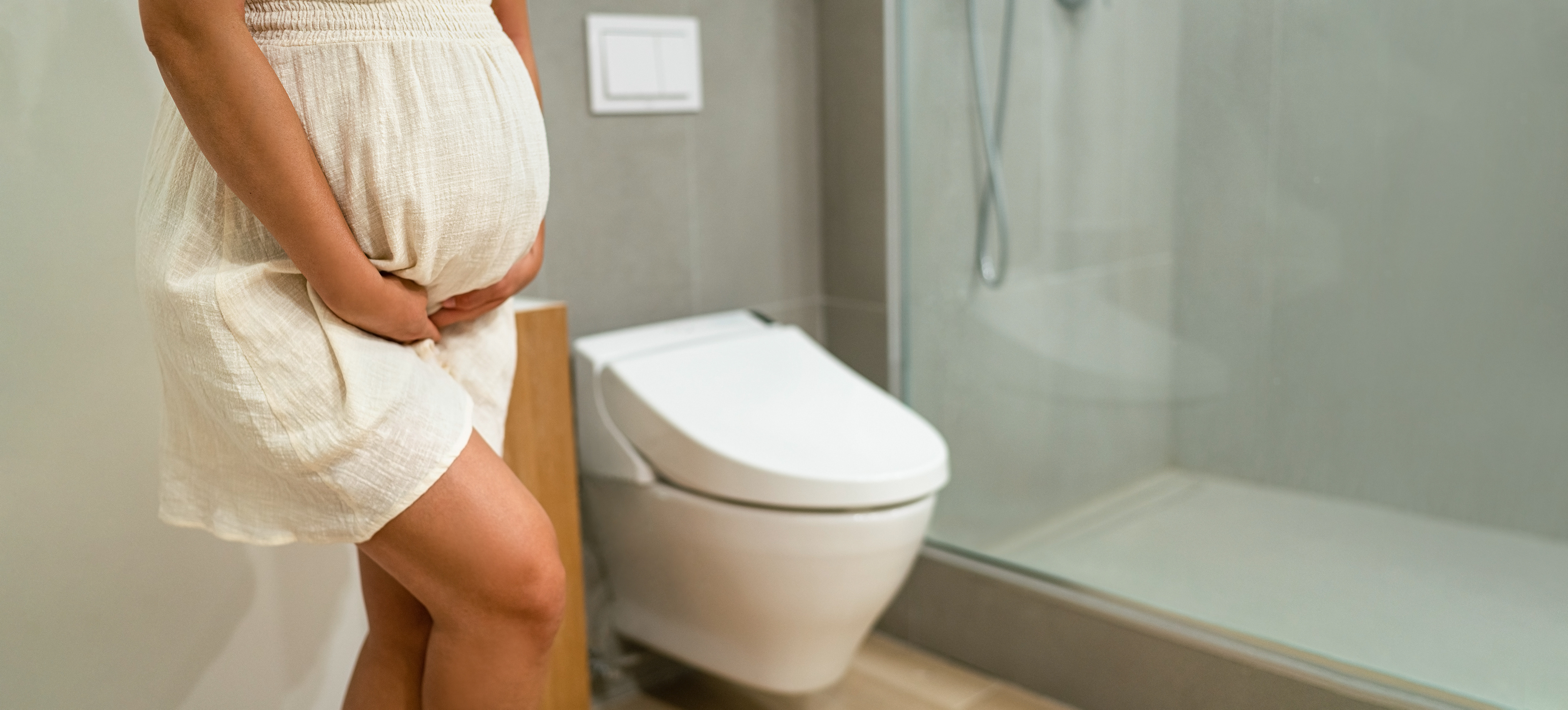
Incontinence (leaking from your bladder) can affect many women during pregnancy and can persist after childbirth as well. It can persist post birth but can be helped by strengthening the pelvic floor muscles and other simple changes. There are other factors that can influence incontinence including some types of food and drink that can irritate your bladder and straining to empty your bowels can contribute to weakening pelvic floor muscles.
What can you do about it?
Drinks that can irritate the bladder

Bladder and vaginal problems during and after pregnancy
Pelvic floor exercises during and after pregnancy
Constipation during and after pregnancy
Constipation is a common—and usually temporary—part of pregnancy. Hormonal changes can slow digestion, and the growing uterus can put pressure on the bowels, making stools harder and less frequent. While it can be uncomfortable, constipation during pregnancy is generally not harmful to you or your baby.
Simple steps often help: drinking plenty of fluids, eating high-fibre foods (like fruits, vegetables, and whole grains), staying active, and responding promptly to the urge to go. If lifestyle changes aren’t enough, your healthcare provider can recommend pregnancy-safe treatments. Always talk to your provider before starting laxatives or supplements during pregnancy.
Please have a look on our patient leaflet on Good Toilet Positioning which can be very helpful
Simple steps often help: drinking plenty of fluids, eating high-fibre foods (like fruits, vegetables, and whole grains), staying active, and responding promptly to the urge to go. If lifestyle changes aren’t enough, your healthcare provider can recommend pregnancy-safe treatments. Always talk to your provider before starting laxatives or supplements during pregnancy.
Please have a look on our patient leaflet on Good Toilet Positioning which can be very helpful