Treatment Options
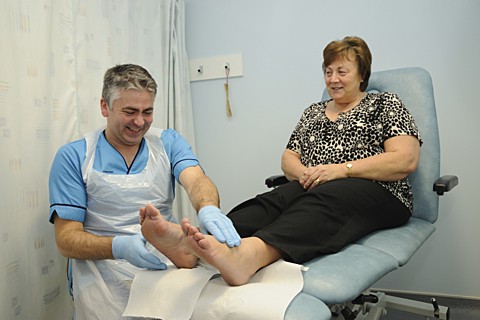
Based on our discussion and your foot assessment, we'll talk through treatment options that may improve your comfort and mobility, and joint protection advice to minimise strain on the joints.
Treatment options may include:
1. Footwear and joint protection advice
The shoes you wear can make a big difference to foot and ankle pain. Wearing supportive footwear is an important part of your treatment plan and can help improve your comfort, mobility, and recovery.
When choosing shoes, focus on support, comfort, and protection. A good supportive shoe should have:
- A comfortable fit that gives your feet enough room without being too loose. Your shoes should not rub or create pressure points, as this can cause blisters, corns, or hard skin.
- A firm, supportive sole that does not twist or bend easily in the middle of the shoe. This helps provide stability when walking.
- A rocker-style sole (a curved sole) which helps your foot roll forward more easily when walking and can reduce pressure on the front of the foot.
- Secure fastenings, such as laces, straps, or Velcro, to keep the shoe firmly in place. This helps prevent your toes from gripping inside the shoe and encourages a more natural walking pattern.
Choosing the right footwear can help reduce pain, improve balance and stability, and support the effectiveness of any further treatment.
2. Orthotics/ insoles
Orthotics or insoles can be provided to support and align the feet and improve overall foot function. They may help reduce pain, enhance balance, and offload pressure from joints and tendons, thereby reducing the risk of damage to your joints.
3. Foot and ankle exercises
The Podiatrist can provide foot and ankle exercises designed to reduce pain and stiffness, maintain or improve the range of motion, strengthen supporting muscles, and improve overall joint function and stability. Please click on the following link for
exercises.4. Skin health
The podiatrist can provide advice on looking after the skin on your feet, which is an important part of managing your condition and helping to prevent problems. Both your condition and some of the medications used to treat it can affect the health of your skin and may increase the risk of infection or slow wound healing.
Good foot care includes:
- Washing and drying your feet every day, especially between the toes.
- Applying moisturiser regularly to help keep the skin healthy and prevent dryness or cracking.
- Checking your feet daily for any changes to the skin, such as redness, swelling, cuts, blisters, or wounds.
It is important to keep an eye on any wounds or skin changes and seek advice if you have concerns. The podiatrist can explain what signs to look out for and how to contact the Podiatry Department if you notice any problems, so that they can be assessed and treated promptly.
Early reporting of any concerns can help prevent more serious complications and support your overall foot health.
5. Management of Pain and Swelling
Your podiatrist can advise you on a range of self-management techniques to help reduce pain and swelling in your feet and ankles.
These may include:
- RICE therapy: Rest, Ice, Compression, and Elevation, which can help reduce inflammation and discomfort.
- Gentle exercises to keep your foot and ankle moving, helping to maintain flexibility and reduce stiffness.
- Reducing the load on the affected area, such as modifying activities or using offloading orthotics and supportive footwear, to allow irritated tissues time to recover.
- Contrast bathing, which involves alternating your feet between warm and cool water. This may help reduce pain, swelling, and stiffness, and can improve comfort and movement. Please see the patient information leaflet on contrast bathing available to download.
The podiatrist can also advise you on pacing, a useful way of managing your symptoms while staying active.
Pacing is about finding the right balance between activity and rest. Many people find they can do too much on days when they feel better, which can lead to increased pain, tiredness, or flare-ups afterwards. This is sometimes called the "boom and bust" cycle.
Pacing can help you:
- Break activities into smaller, more manageable tasks.
- Take regular rest breaks before pain or fatigue becomes overwhelming.
- Prioritise the activities that are most important to you.
- Spread tasks throughout the day or week rather than doing them all at once.
- Gradually increase your activity levels over time without worsening your symptoms.
By using pacing techniques, you can help manage pain and fatigue more effectively, improve your confidence in daily activities, and support your long-term health and quality of life.
More information on what causes foot and ankle pain, plus useful information to help manage this, can be found on
www.arthritis-uk.org.
Follow-Up Plan
At the end of your appointment, we will discuss and agree a follow-up plan with you based on your individual needs. This may include further appointments with the podiatrist, either in person or by telephone, to review your progress and provide ongoing support.
Working together with the wider healthcare team helps ensure you receive the most appropriate care and support for your condition therefore if appropriate, the podiatrist may also refer you to members of the rheumatology team or other specialist services.
Our Goal
Our aim is to educate and signpost you to the information, advice, and support to confidently manage your foot health.
We will help you to understand your condition, care for your feet on a daily basis, and use practical self-management strategies to stay as active and comfortable as possible. Our goal is to help you maintain your independence and continue taking part in the activities, work, and social roles that are important to you.
We will also explain when it is important to seek further advice and how to access specialist support quickly through our Direct Access service if your symptoms change or you have any concerns.
By working together, we can help you manage your symptoms effectively and support your long-term foot health and wellbeing.