- Break activities into smaller steps. Spread tasks throughout the day rather than doing everything at once.
- Take regular rest breaks. Stop and rest before fatigue significantly affects balance or coordination.
- Prioritise activities that are most important to you.
Self -management Strategies
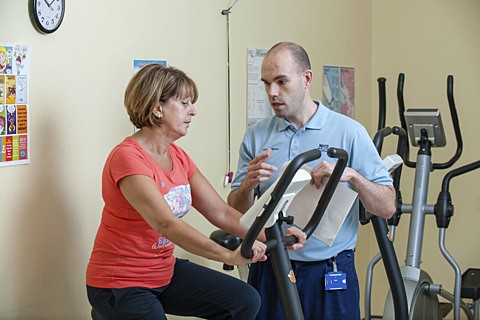
Learning how to manage coordination difficulties in daily life can help improve safety, confidence and independence. Many people find that small changes and consistent practice make everyday activities easier. This section provides small pieces of advice that can help you manage independently with coordination issues.
Managing fatigue
Movement can require more effort when coordination is affected, which can lead to fatigue. Learning to pace your activities to manage your fatigue can help to maintain energy levels for day to day function. Some tips include:
Use vision to support movement
Visual feedback can help improve accuracy and control, especially if you have reduced sensation to the affected body parts.
- Watch your feet when walking on uneven ground or stairs.
- Look at your hands during fine motor tasks.
- Use clear visual markers (for example, coloured tape or targets), to give you a clearer point to aim for.
- Ensure good lighting in your home, this helps create a clear field of vision to what you are doing.
Slow your movements down
Reducing the speed of your walking or your arm movements often improves control and reduces the chance of errors.
- Focus on accuracy rather than speed.
- Pause between movements to regain control.
- Break complex movements into smaller parts.
Reducing tremor and Overshooting
Having a tremor, or your affected body part wavering/moving during a task can make it difficult to accurately coordinate a task, some useful tips include:
- Using slightly weighted objects or cutlery (if appropriate).
- Supporting arms on a surface during tasks, such as when bringing food to your mouth.
- Keeping movements close to the body, which shortens the "lever" of your arm and makes it easier to control.
- Avoiding rushing, especially when reaching or carrying items.
Reducing falls risk indoors and out
Having reduced coordination can make you a higher risk of falls when on the move. Some ways to reduce your risk include:
- Removing trip hazards such as loose rugs or clutter.
- Use handrails where available.
- Wear supportive footwear, avoiding backless slippers/sandals.
- Use walking aids if recommended by your therapist.
- Take extra care on uneven ground, slopes and in poor weather.
Strength, stability and coordination
Maintaining and working on your physical abilities can help to improve symptoms and maintain your abilities further into your condition. Some ideas include:
For some examples of exercising with ataxia, please see our exercise ideas section below. You may also be interested in charity support websites, with some conditions displayed in the links below.
- Maintaining strength can support balance and mobility.
- Gentle strengthening and posture exercises may help improve control.
- Staying physically active within safe limits supports overall health.
- Too work on coordination, practise specific tasks that required coordinated movement regularly.
- Aim for quality of movement rather than repetition alone, stopping if movement becomes significantly worse due to fatigue.
For some examples of exercising with ataxia, please see our exercise ideas section below. You may also be interested in charity support websites, with some conditions displayed in the links below.