- Unsteady walking/wide based stance.
- Difficulty with hand coordination.
- Difficulty with rapid alternating movements.
- Nystagmus (rapid alternating movement of the eye).
- Dizziness.
- Poor balance or frequent falls.
- Fatigue associated with increased effort to perform basic movements.
Ataxia/Reduced coordination
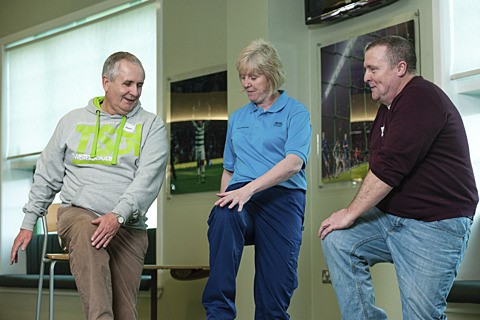
Ataxia is a symptom commonly seen in neurology that involves difficulty coordinating movements of the body due to a breakdown in the signals sent from your brain to your body. This can cause issues with balance, coordinating movement and can impact everyday tasks.
Common symptoms
Ataxia, or reduced coordination, involves reduced coordinated movement of one or more body parts, it is a symptom, not generally a diagnosis and normally has a cause. Common symptoms of ataxia can include:
What causes it?
There are a range of potential conditions that could cause ataxic symptoms, they include:
- Neurological conditions - such as stroke, MS, disorders affecting the cerebellum, and hereditary ataxias.
- Peripheral Neuropathy - where reduced sensation of limbs causes reduced positional awareness of the body part(s).
- Vestibular dysfunction - conditions affecting the bones of the inner ear that help orientate balance.
- Exterior causes - such as brain injury, tumour or alcohol related cerebellar degeneration.
How can Physiotherapy help?
Depending on the cause of your ataxia, there are a range of support strategies physiotherapy can offer through assessment. They can help to:
With most types of Ataxia, the main aim through Physiotherapy is learning compensation strategies and tailored exercises to hopefully improve symptoms, but also build your confidence to self manage these issues long term.
If you feel you require a physiotherapy assessment, please visit our where we are based, and how to refer section on the Neurology Physiotherapy website.
- Improve balance and postural stability.
- Enhance walking safety and efficiency.
- Improve coordination of upper and lower limbs.
- Reduce risk of falls/fear of falling.
- Provide education on safety, fatigue management and how changes in your environment can improve your ability to function.
- Work collaboratively with other members of the team to optimise your support.
With most types of Ataxia, the main aim through Physiotherapy is learning compensation strategies and tailored exercises to hopefully improve symptoms, but also build your confidence to self manage these issues long term.
If you feel you require a physiotherapy assessment, please visit our where we are based, and how to refer section on the Neurology Physiotherapy website.